
Background
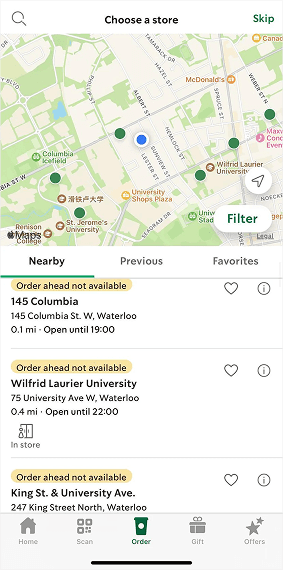
Recent data shows near 65% of drivers admit to using their phones while driving, with food ordering apps being a major distraction.
(They do it anyway!)
Safety Risk
Using smartphones while driving increases accident risk by ~400%
Inefficiency & Poor UX
Current ordering requires pulling over or risking distracted driving. Existing apps aren't optimized for in-vehicle use cases.
Missed Opportunity
Drivers want convenience but lack safe ordering options.
Key Features
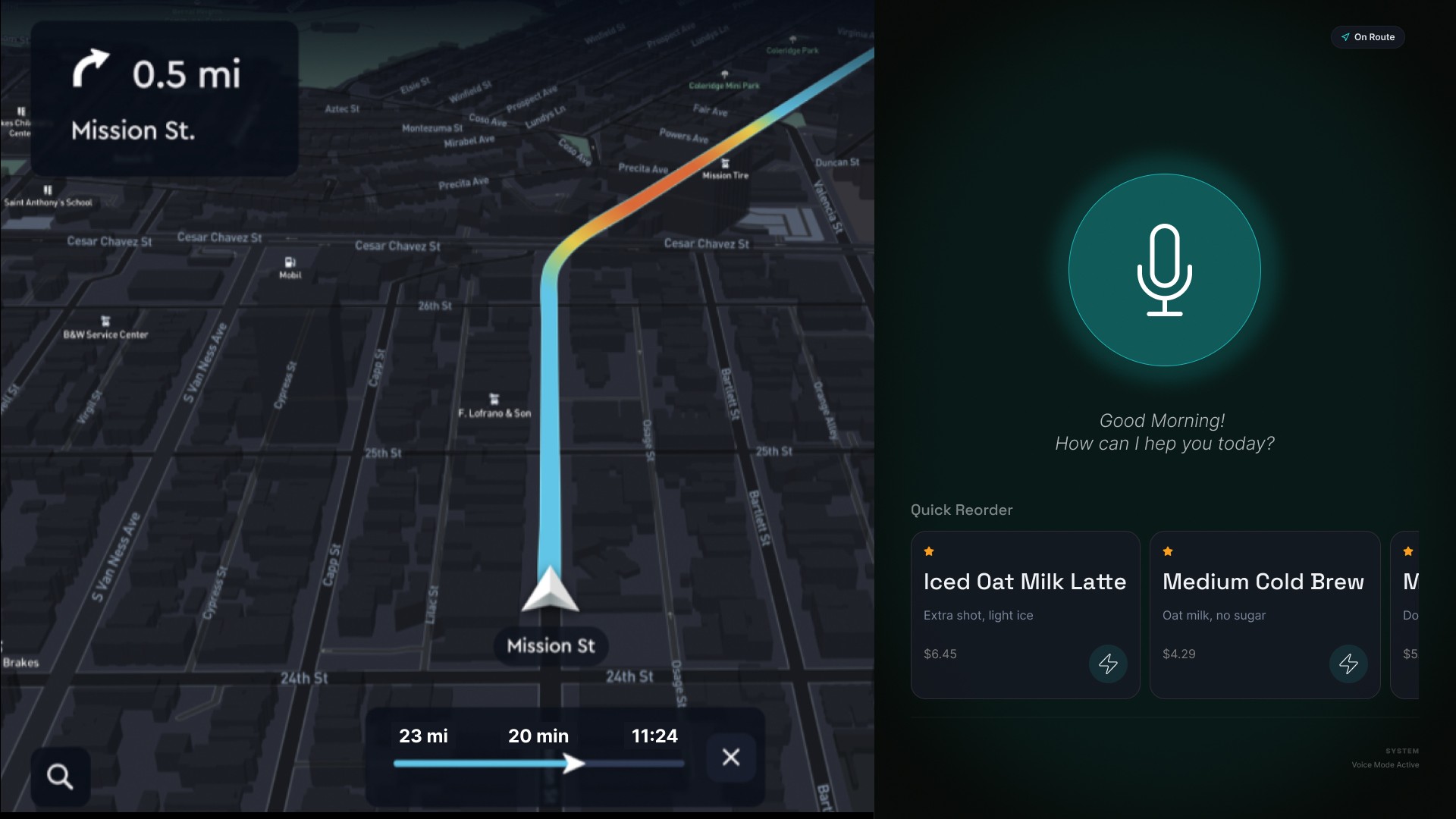
Voice-First Interface
Natural language processing for conversational ordering. Always-accessible voice control with instant feedback.
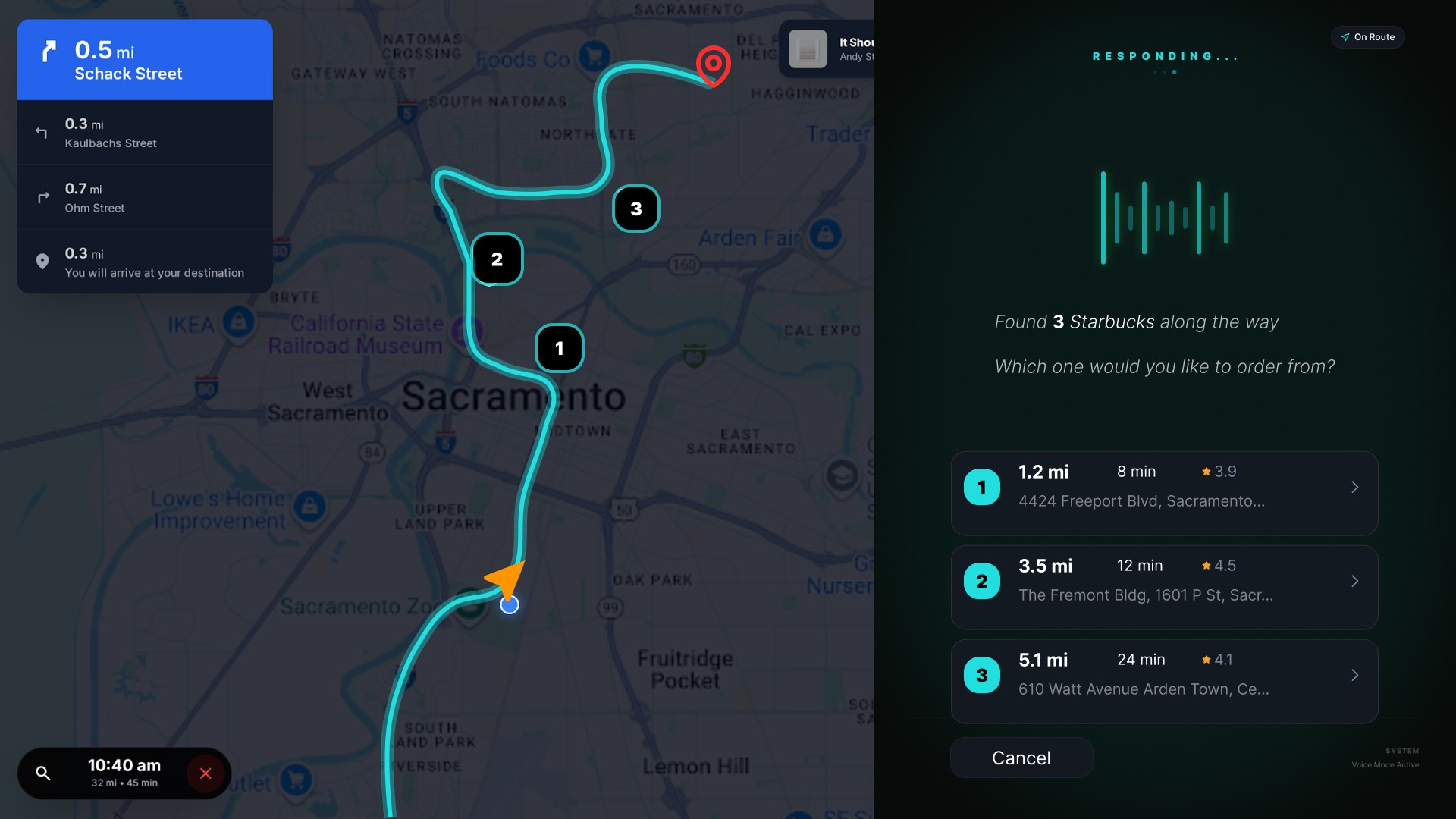
Smart Location Detection
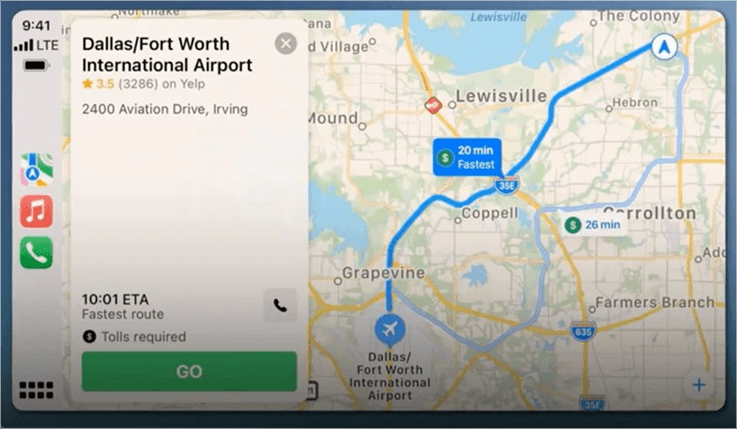
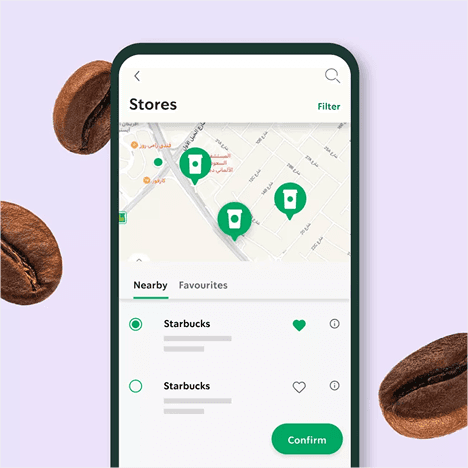
Real-time GPS integration showing nearby stores with ETA and availability along your route.
Personalized Favorites
One-touch access to frequently ordered items. AI-powered suggestions based on time and location.
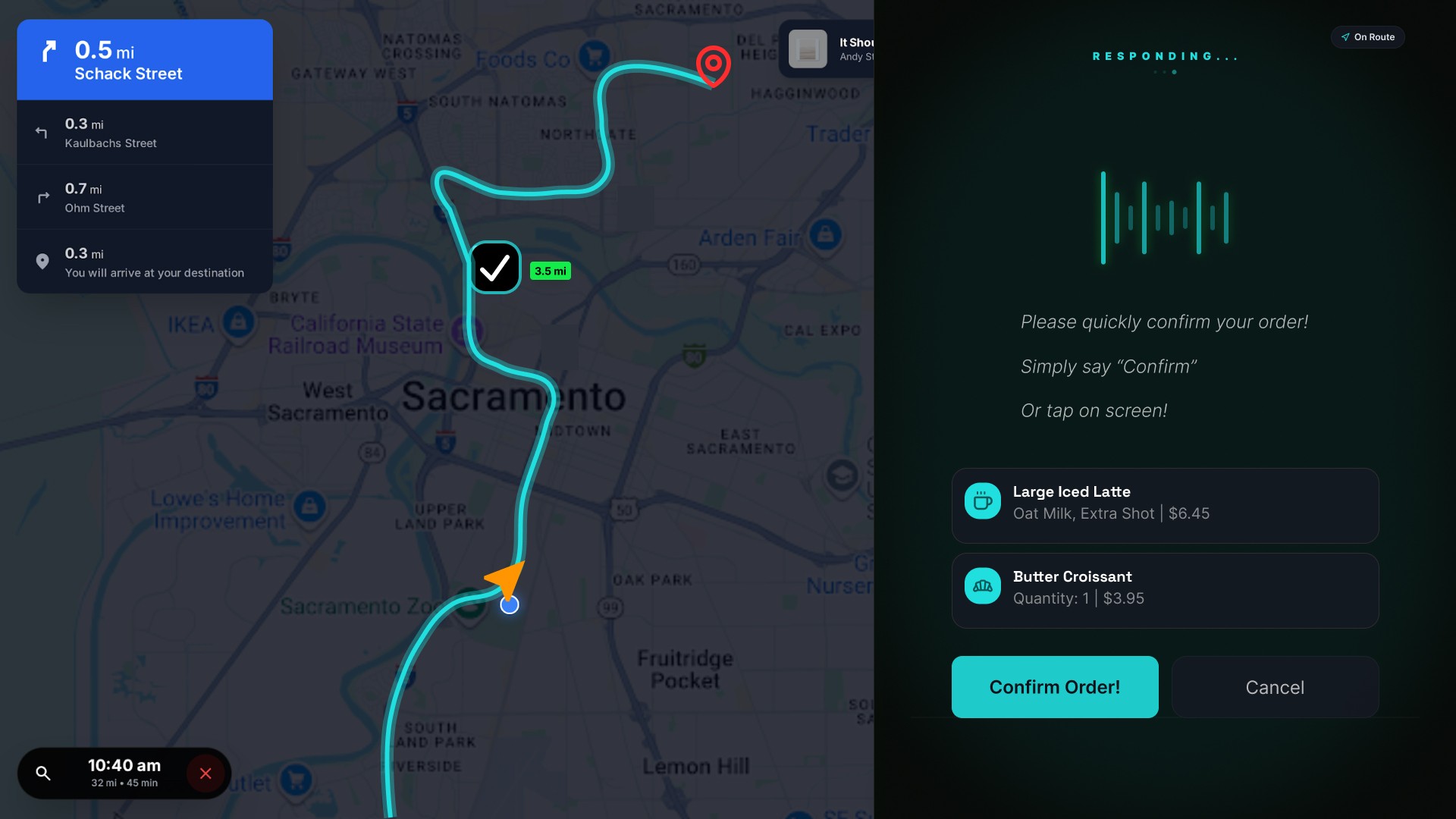
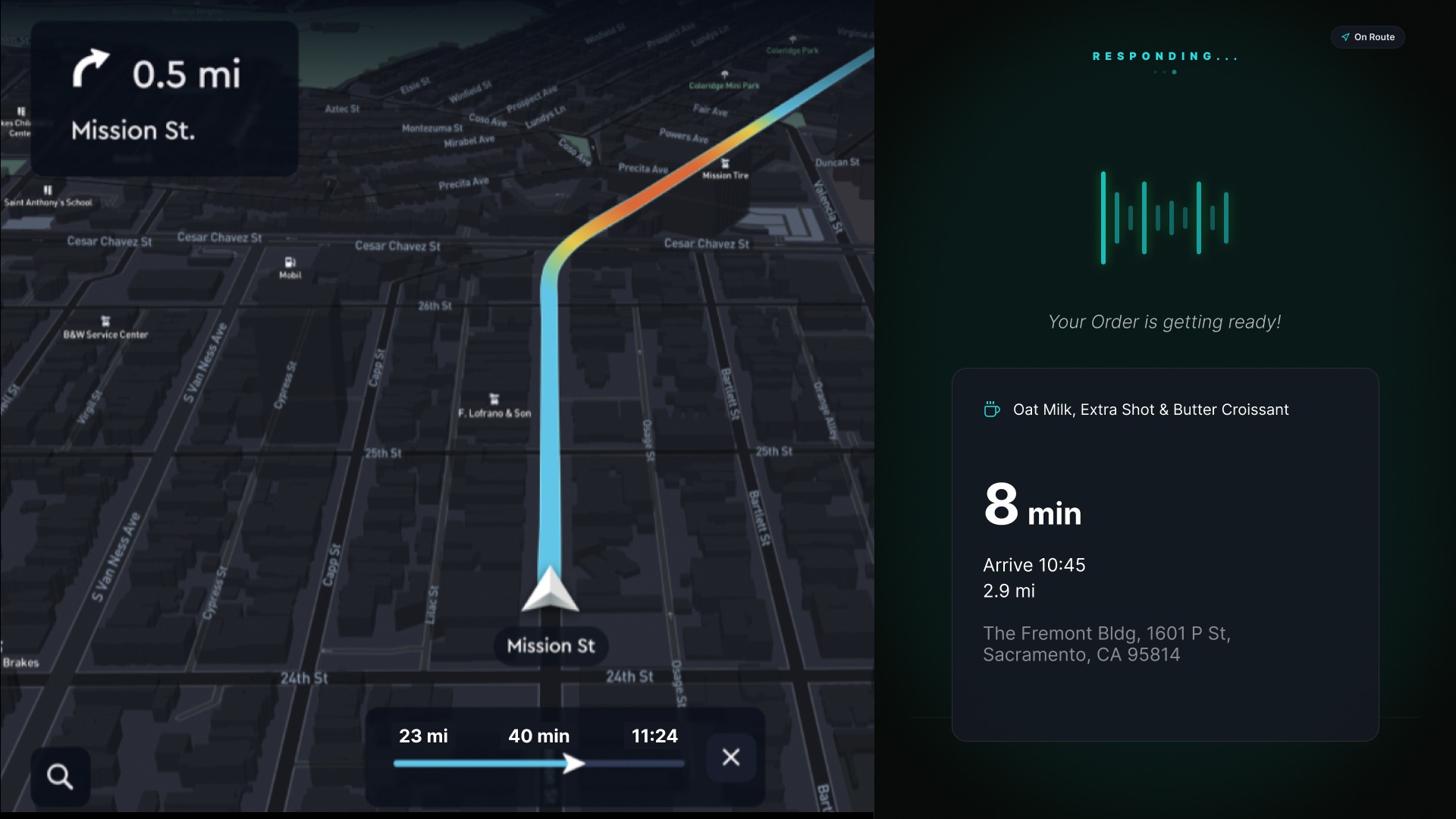
Auto-Payment
Stored payment methods with secure auto-checkout. No fumbling for wallet or phone.
Let’s Cook something up!
I started by experimenting with several AI-assisted design and prototyping tools, including Google Stitch, Replit, MagicPath, and Figma Make. Rather than committing to a single tool from the beginning, I treated each one as a different lens for exploring the concept. I spent time comparing outputs, identifying what felt natural, and gradually combining the strongest
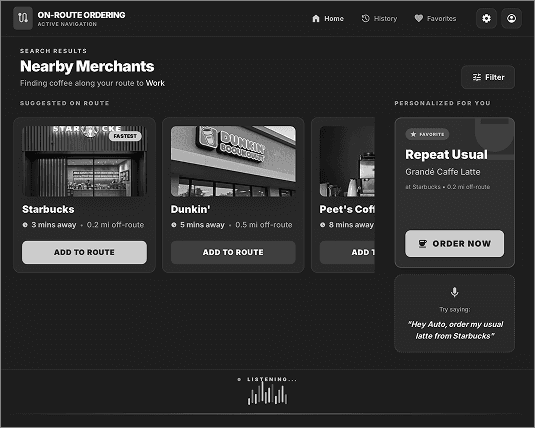
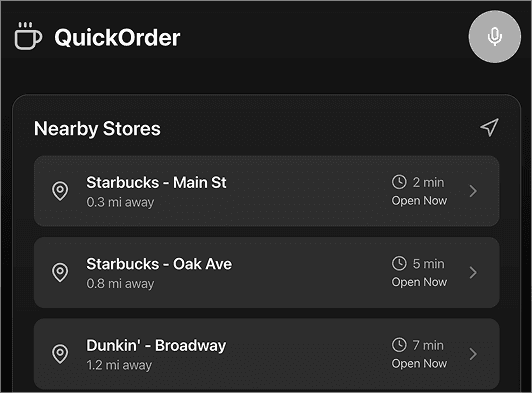
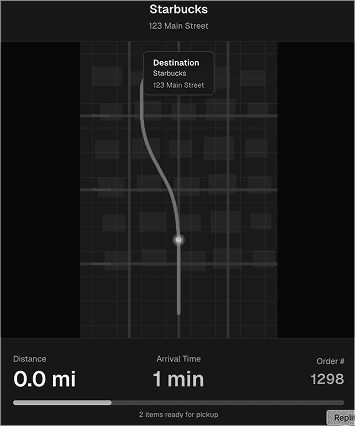
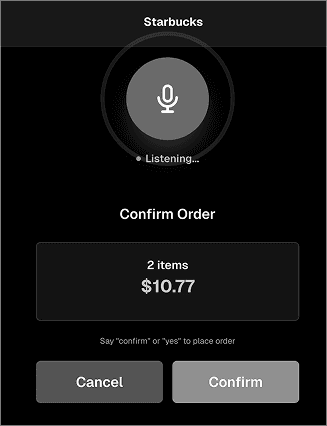


Using Cursor as my primary development environment, I began translating the prototype concepts into a working product. This involved setting up the project structure, experimenting with different frontend approaches, refining component layouts, troubleshooting interactions, and testing the experience.
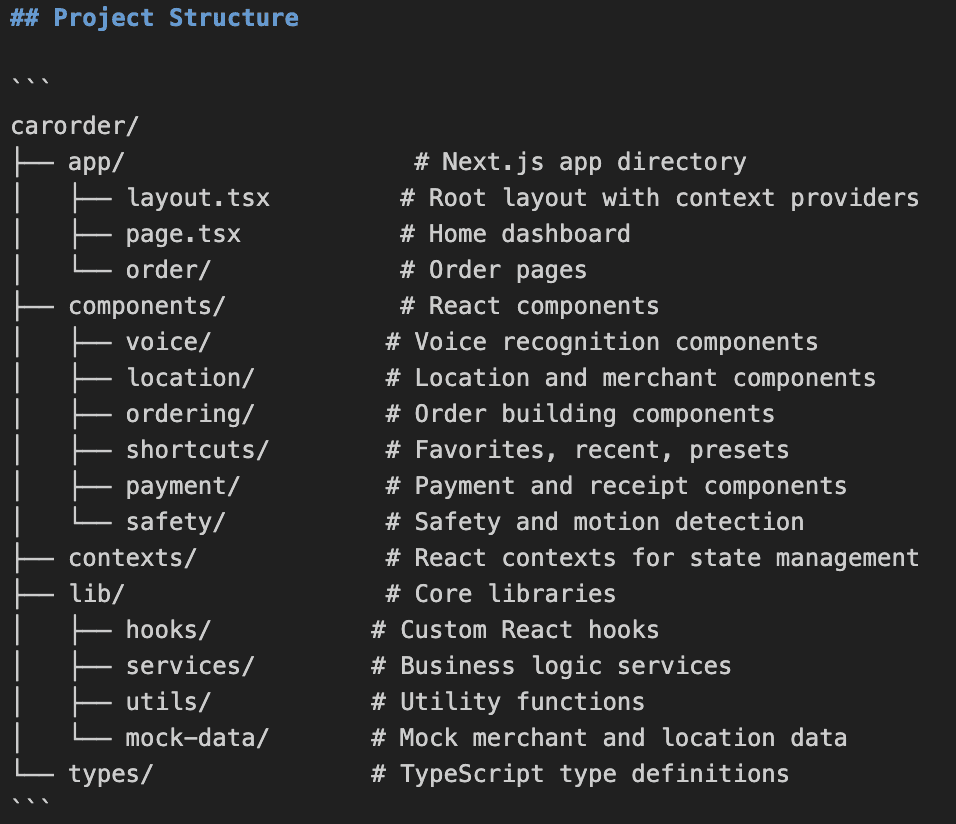
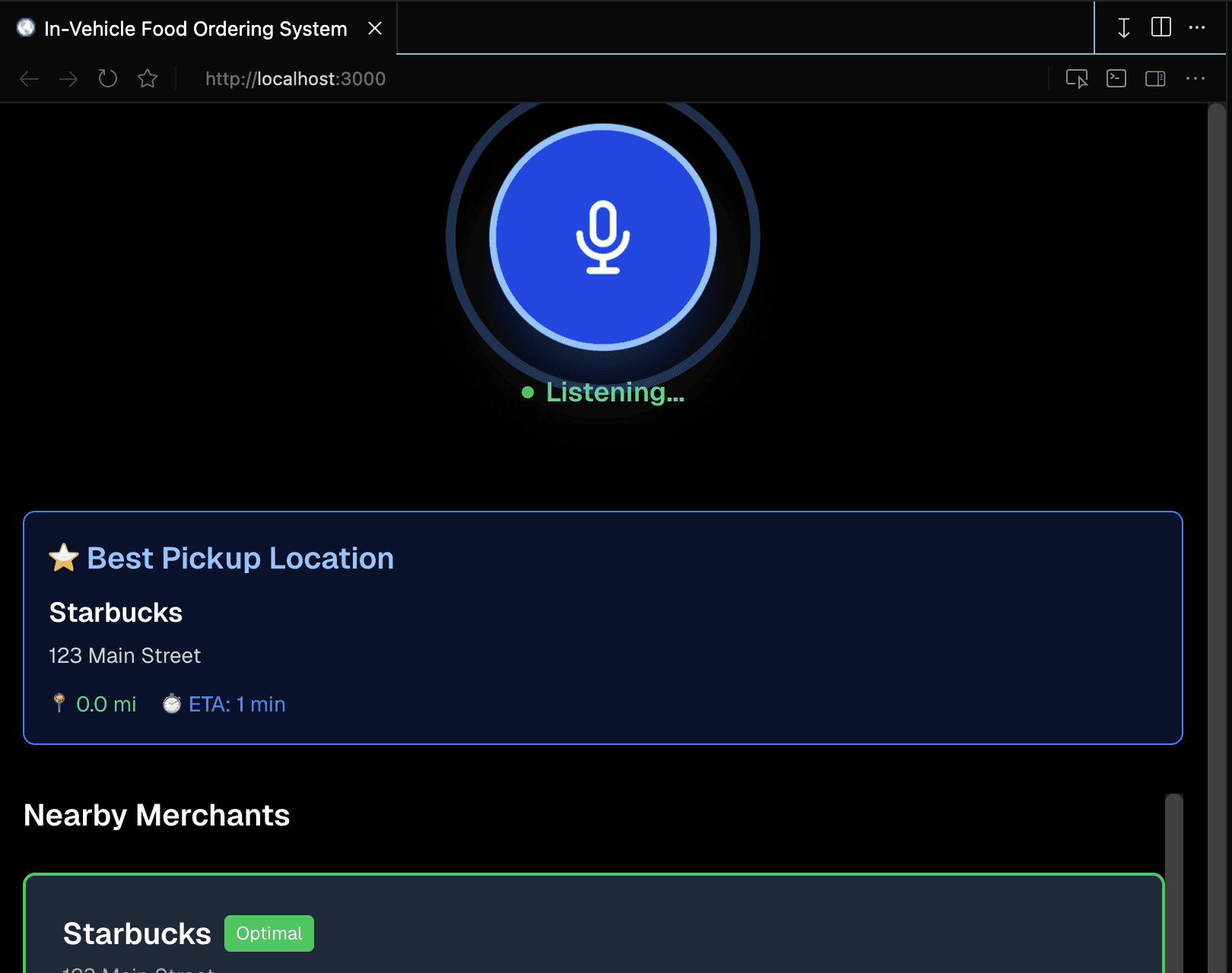

Core User Flow & Key Design Decisions
Large Touch Targets (Minimum 60px)
NHTSA guidelines recommend touch targets ≥60px for safe in-vehicle interaction
High Contrast Color Scheme (4.5:1 ratio)
Readability in varying light conditions (bright sun, night driving)
Minimal Information Hierarchy
Drivers can only safely glance for 2 seconds (AAA Foundation study)
Progressive Disclosure
Prevent cognitive overload during driving